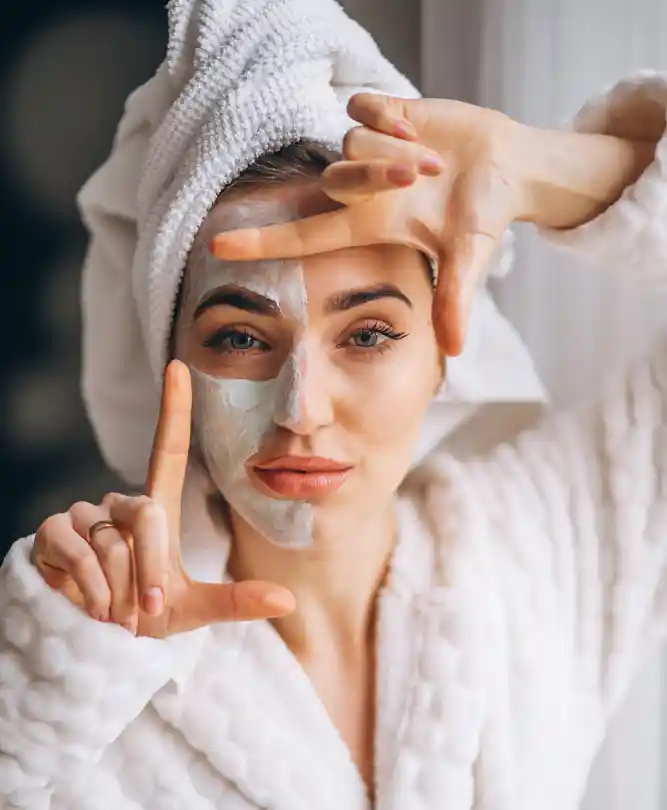
How Medical Facials Are Safer for Sensitive Skin
Facials differ because they begin with a professional skin assessment. This allows the practitioner to understand your skin’s triggers, tolerance, and current condition before selecting the treatment.
Medical facials in Amersham are considered safer for sensitive skin because they use:
- Medical-grade products with controlled formulations
- Customised treatment intensity
- Clinically guided protocols
This reduces the risk of irritation while improving overall skin health.
Customization Is Key for Sensitive Skin
No two cases of sensitive skin are the same. Facials are adapted at every stage to suit the individual. Factors considered include:
- Skin history
- Previous reactions
- Current inflammation levels
- Lifestyle and environmental exposure
This level of customization is one of the main reasons sensitive-skin clients prefer medical facials.
Treating Redness and Inflammation
Facials for sensitive skin focus on calming and strengthening rather than aggressive exfoliation. Treatments may include gentle cleansing, soothing ingredients, and barrier-repair techniques.
Over time, regular medical facials help reduce redness and improve the skin’s tolerance to external stressors.
Strengthening the Skin Barrier
A weakened skin barrier is a common cause of sensitivity. Facials help restore barrier function by improving hydration and supporting skin repair.
As the barrier strengthens, the skin becomes less reactive and more resilient.
Are Facials Suitable for Rosacea-Prone Skin?
Rosacea-prone skin requires careful handling. Facials can be suitable when designed specifically for rosacea, focusing on calming inflammation and avoiding triggers.
Professional supervision ensures that treatments do not worsen flare-ups.
How Often Should Sensitive Skin Have Facials?
Sensitive skin generally benefits from medical facials every 4 to 6 weeks, depending on tolerance and skin response. Treatments are adjusted gradually to avoid overstimulation.
A personalized plan ensures safe and steady improvement.
What to Expect After a Facial for Sensitive Skin
After treatment, the skin may feel calmer and more hydrated. Mild redness may occur temporarily but usually subsides quickly.
Proper aftercare guidance is provided to protect the skin and maintain results.
Why Choosing a Local Medical Clinic Matters
Local clinics understand how the UK climate, seasonal changes, and indoor heating affect sensitive skin. Choosing a medical facial clinic in Amersham allows for ongoing care and adjustments based on environmental factors.
Final Thoughts
Sensitive skin does not mean you must avoid professional treatments. When performed correctly, facials are not only safe but often beneficial for sensitive and reactive skin. Their personalised, medically guided approach makes them a reliable option for improving skin comfort and health over time.
For those seeking gentle yet effective care, medical facials in Amersham provide a safe solution tailored to sensitive skin needs.
FAQs – Medical Facials for Sensitive Skin
1. Can sensitive skin tolerate medical facials?
Yes, medical facials are customized to suit sensitive skin and are often safer than standard facials.
2. Will medical facials make redness worse?
When properly planned, medical facials help reduce redness rather than increase it.
3. Are medical facials suitable for rosacea?
Yes, when designed specifically for rosacea-prone skin under professional supervision.
4. How soon will sensitive skin improve?
Some calming effects are noticeable immediately, with gradual improvement over time.
5. Should sensitive skin avoid exfoliation?
Gentle exfoliation may be used when appropriate, but aggressive methods are avoided.